Pourquoi la fin de la lumière entière que nous ne pouvons pas voir est différente du livre
Avertissement! Cette publication contient Importer des spoilers Pour les deux derniers épisodes et la fin de toute la lumière que nous ne pouvons pas voir.
Shawn Levy et l'adaptation de Netflix par Steven Knight, toute la lumière que nous ne pouvons pas voir se termine très différemment pour certaines figures clés que le matériel de départ du roman gagnant du prix Anthony Dorr Pulitzer.
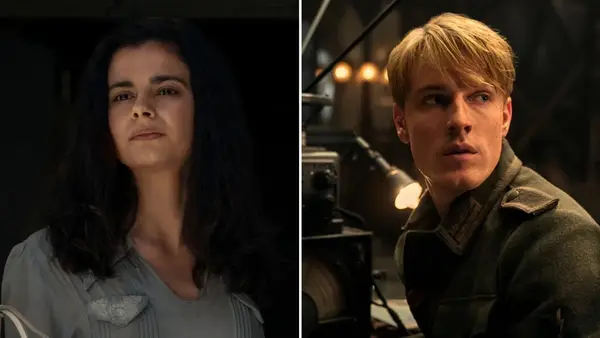
La série limitée en quatre parties raconte une histoire partagée de Marie-Laure LeBlanc (Aria Mia Loberti), un jeune Français aveugle qui déménage avec son père dans une petite ville côtière en France lorsque les Allemands reprennent le pays, et le Werner Pfennig (Louis Hoffman). Les mondes américains. Ii Grâce à une transmission radio, les deux personnages principaux, qui existent sur les pages opposées d'une tragédie historique, sont courantes, qu'ils ont entendus en tant qu'enfants, qui favorisaient la curiosité et la convivialité.
There is something so epic, and for me a little romantic, about this idea that there is a fate in this world, or it is only a sequence of accidents, so I wanted these two characters through the broadcasts they have heard, at the same time and on different sides of war and the world in which they are children when they are young adults when they combine when they are in real and in different pages of war. In a wink to one of the moments of the book that all fans remember that the simple act of sharing a can of a dose peach at the end of the war in a French city next to the sea that was always so beautiful, fragile and a little romantic for me. La romance a rapporté comment Steven Knight et moi traitons avec ce dernier mouvement dans le dernier épisode.